
Winix Zero Filter A for Air Purifier
A capable multi-stage air purifier with solid filtration, held back mainly by the lack of smart-home features.
Choosing an air purifier comes down to a few key numbers and features, not marketing claims. This guide explains CADR, HEPA, room size, noise and running costs so you can buy the right unit with confidence.
Buy a purifier with a true HEPA filter and a CADR matched to your room, add activated carbon if odours or smoke matter, and check the noise level and filter running costs before you commit. Get those four things right and the brand and extras are secondary. Size to your largest room and allow some headroom so it can run quietly.
CADR (Clean Air Delivery Rate) tells you how much clean air a purifier delivers, and it should match your room. A unit rated for a larger area than yours can run on a lower, quieter setting and still clean the air several times an hour. Manufacturers usually quote a recommended room size; treat that as the headline number and size up rather than down.
Insist on a true HEPA filter (99.97% at 0.3 microns) for particles like pollen, dust and dander. Add activated carbon if you want to tackle odours, cooking smells or smoke, since HEPA does not remove gases. A pre-filter is a useful bonus that catches large debris and extends HEPA life. Be wary of vague 'HEPA-type' wording.
Check the noise level, especially the sleep or lowest setting if it will run in a bedroom, where 24-35dB is comfortable. Then look at running costs: the electricity is usually modest, but replacement filters are the real ongoing expense, so check how often they are due and what they cost. A cheap purifier with pricey filters can cost more over time.
These are nice to have, but never let them distract from HEPA, CADR, noise and filter cost.
A capable multi-stage air purifier with solid filtration, held back mainly by the lack of smart-home features.

A capable 4-stage air purifier with a CADR of 390 m³/h, capturing 99.999% down to 0.1 microns, held back mainly by the lack of smart-home features.
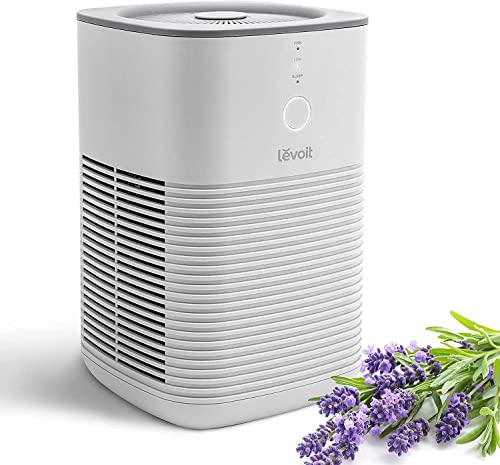
A capable multi-stage air purifier with solid filtration, held back mainly by the lack of smart-home features.

A capable multi-stage air purifier with a CADR of 187 m³/h, held back mainly by a few practical limitations.

A capable multi-stage air purifier with solid filtration, capturing 99.97% down to 0.3 microns, held back mainly by a few practical limitations.

A capable multi-stage air purifier with a CADR of 100 m³/h, held back mainly by the lack of smart-home features.
Prioritise a true HEPA filter, a CADR matched to your room, activated carbon if odours matter, and a manageable noise level and filter cost. Get those right and the brand and extras are secondary.
CADR (Clean Air Delivery Rate) measures how much clean air a purifier delivers, and it should match your room size. A unit rated for a larger area can run quieter and still clean the air several times an hour.
Capable units start under £100 for small rooms, while around £150-200 buys full HEPA-plus-carbon filtration and good coverage for a living room. Spend more only for very large spaces or premium features.
Our top pick is the Winix Zero Filter A for Air Purifier (our score 9.6/10) - A capable multi-stage air purifier with solid filtration, held back mainly by the lack of smart-home features..