
Winix Zero Filter A for Air Purifier
A capable multi-stage air purifier with solid filtration, held back mainly by the lack of smart-home features.
Pets bring dander and odours that ordinary purifiers struggle with. Here's what to look for in a pet-friendly air purifier and our top picks.
For pets you need both a True HEPA filter (for dander) and an activated carbon stage (for odours) - HEPA alone won't tackle smell. A washable pre-filter helps enormously with pet hair, and a higher CADR keeps up with the constant shedding.
Pet allergies and smells come from two different things: dander (fine skin and fur particles, which HEPA captures) and odour molecules (gases, which only activated carbon absorbs). A purifier with HEPA but no carbon will reduce the dander but leave the smell, so for pet homes you want a multi-stage unit.
Clean or replace the pre-filter often - pet hair builds up quickly and chokes airflow. Position the unit where your pet spends time but out of nudging range, and run it continuously or on auto. The purifier handles airborne dander and smell; regular vacuuming and washing pet bedding tackles what's settled.
A capable multi-stage air purifier with solid filtration, held back mainly by the lack of smart-home features.

A capable 4-stage air purifier with a CADR of 390 m³/h, capturing 99.999% down to 0.1 microns, held back mainly by the lack of smart-home features.
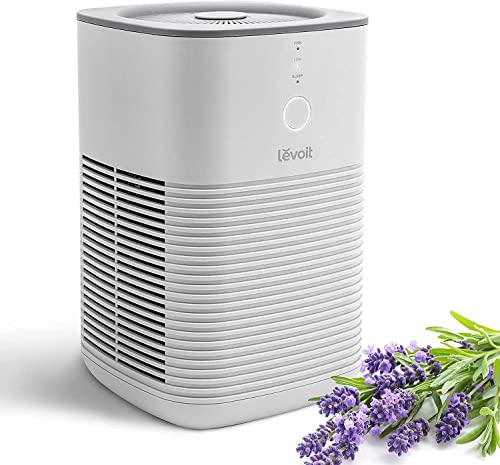
A capable multi-stage air purifier with solid filtration, held back mainly by the lack of smart-home features.

A capable multi-stage air purifier with a CADR of 187 m³/h, held back mainly by a few practical limitations.

A capable multi-stage air purifier with solid filtration, capturing 99.97% down to 0.3 microns, held back mainly by a few practical limitations.

A capable multi-stage air purifier with a CADR of 100 m³/h, held back mainly by the lack of smart-home features.

A capable multi-stage air purifier with solid filtration, held back mainly by a few practical limitations.
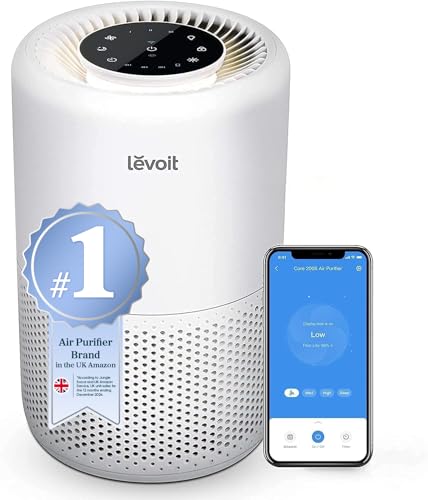
A capable multi-stage air purifier with solid filtration, capturing 99.97% down to 0.3 microns, held back mainly by a few practical limitations.

A capable multi-stage air purifier with solid filtration, held back mainly by a few practical limitations.

A capable multi-stage air purifier with a CADR of 300 m³/h, held back mainly by the lack of smart-home features.
Only if they have an activated carbon filter. HEPA captures pet dander particles but not odour gases - for smells you need a carbon stage as well.
One with a True HEPA H13 filter (for dander), activated carbon (for odours) and a washable pre-filter (for hair), with enough CADR to keep up with constant shedding.
Clean or rinse the pre-filter frequently - pet hair clogs it fast. The main HEPA and carbon filters then last closer to their rated life.
Our top pick is the Winix Zero Filter A for Air Purifier (our score 9.6/10) - A capable multi-stage air purifier with solid filtration, held back mainly by the lack of smart-home features..