
Winix Zero Filter A for Air Purifier
A capable multi-stage air purifier with solid filtration, held back mainly by the lack of smart-home features.
HEPA is the filtration standard that makes an air purifier worth owning, capturing the fine particles behind allergies and poor air quality. This guide explains what true HEPA means and which models we rate.
Choose a purifier with a true HEPA filter, which captures 99.97% of particles down to 0.3 microns - that covers pollen, dust, mould spores and pet dander. Pair it with a CADR suited to your room and, if smells matter, an activated-carbon stage too. Be wary of vague terms like 'HEPA-type' or 'HEPA-like', which are not the same standard.
A genuine HEPA filter is defined by its capture rate: 99.97% of particles at 0.3 microns, the hardest size to catch. That fine mesh of fibres traps pollen, dust, dander and many other particulates as air passes through. It is a mechanical filter, so it works simply and reliably, and it is the single most important spec to confirm before buying.
Not every filter that mentions HEPA meets the standard. Terms such as 'HEPA-type', 'HEPA-like' or '99% at 3 microns' describe weaker filters that let more through. Look for a clear claim of true or genuine HEPA at 0.3 microns. The difference matters most for allergy sufferers, where the finest particles are exactly what you want removed.
A true HEPA purifier suits almost everyone, and especially allergy and asthma sufferers, pet owners and city dwellers. It is the baseline you should not compromise on. The only reason to look beyond pure HEPA is if odours or smoke are a concern, in which case add a carbon stage rather than dropping HEPA.
A capable multi-stage air purifier with solid filtration, held back mainly by the lack of smart-home features.

A capable 4-stage air purifier with a CADR of 390 m³/h, capturing 99.999% down to 0.1 microns, held back mainly by the lack of smart-home features.
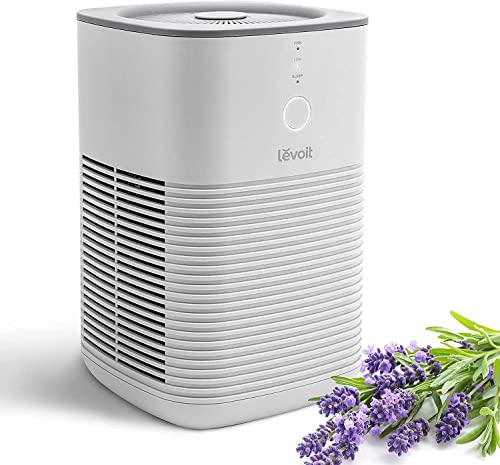
A capable multi-stage air purifier with solid filtration, held back mainly by the lack of smart-home features.

A capable multi-stage air purifier with a CADR of 187 m³/h, held back mainly by a few practical limitations.

A capable multi-stage air purifier with solid filtration, capturing 99.97% down to 0.3 microns, held back mainly by a few practical limitations.

A capable multi-stage air purifier with a CADR of 100 m³/h, held back mainly by the lack of smart-home features.

A capable multi-stage air purifier with solid filtration, held back mainly by a few practical limitations.
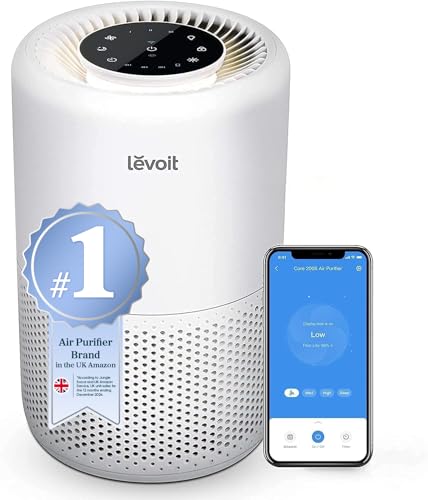
A capable multi-stage air purifier with solid filtration, capturing 99.97% down to 0.3 microns, held back mainly by a few practical limitations.
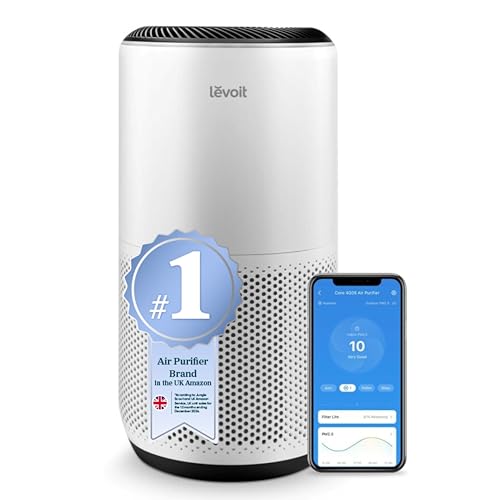
A capable multi-stage air purifier with solid filtration, held back mainly by a few practical limitations.

A capable multi-stage air purifier with solid filtration, held back mainly by a few practical limitations.
A true HEPA filter captures 99.97% of airborne particles down to 0.3 microns, including pollen, dust, mould spores and pet dander. It is the filtration standard to look for, distinct from weaker 'HEPA-type' or 'HEPA-like' filters.
No. 'HEPA-type' and 'HEPA-like' describe filters that do not meet the true HEPA standard and let more fine particles through. For allergies in particular, look for a clear true-HEPA claim at 0.3 microns.
Not really - HEPA captures particles, not odour gases. To remove smells and smoke you need an activated-carbon stage as well, which most good purifiers combine with HEPA.
Our top pick is the Winix Zero Filter A for Air Purifier (our score 9.6/10) - A capable multi-stage air purifier with solid filtration, held back mainly by the lack of smart-home features..