
Winix Zero Filter A for Air Purifier
A capable multi-stage air purifier with solid filtration, held back mainly by the lack of smart-home features.
Air purifiers are widely sold but often misunderstood, so it is fair to ask whether they actually do anything. This guide gives an honest answer on what they can and cannot do for your home's air.
Yes - a purifier with a true HEPA filter genuinely removes airborne particles such as pollen, dust, mould spores and pet dander, and one with activated carbon also reduces odours and smoke. The key conditions are that it has real HEPA, enough airflow (CADR) for the room, and that you run it with windows closed. It is not magic, but it is effective at what it is designed to do.
A good HEPA purifier measurably reduces fine airborne particles as air passes repeatedly through the filter. That can mean fewer allergy triggers, less visible dust haze and, with carbon, less odour and smoke. In a closed room sized correctly, the air is cleaned several times an hour, which is where the benefit comes from. This is well-established mechanical filtration, not a gimmick.
Purifiers do not remove gases like carbon monoxide (you still need an alarm), do not fix damp or mould at the source, and cannot keep up if you constantly add pollutants, for example by smoking indoors. They also do little with windows open, since they cannot out-clean an open door to the outside. They reduce airborne particles; they do not replace ventilation or cleaning.
Think of a purifier as a tool that lowers airborne particle levels and odours in a closed room, not as a cure-all. Allergy sufferers often notice fewer symptoms, especially overnight in the bedroom, and homes feel and smell fresher. But it works alongside good cleaning, ventilation when air outside is good, and tackling sources like damp or smoke.
The clearest benefit is for allergy and asthma sufferers, pet owners, and people in cities or near busy roads who keep windows shut. Households dealing with cooking smells or occasional smoke also gain from a carbon stage. If your air is already clean and you have no specific concern, the benefit is smaller but the unit still reduces everyday dust and pollen.
A capable multi-stage air purifier with solid filtration, held back mainly by the lack of smart-home features.

A capable 4-stage air purifier with a CADR of 390 m³/h, capturing 99.999% down to 0.1 microns, held back mainly by the lack of smart-home features.
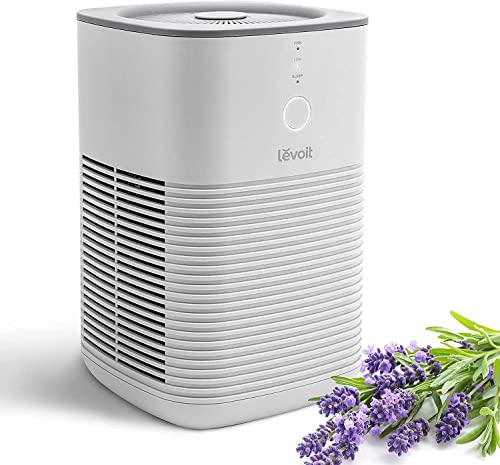
A capable multi-stage air purifier with solid filtration, held back mainly by the lack of smart-home features.

A capable multi-stage air purifier with a CADR of 187 m³/h, held back mainly by a few practical limitations.
Yes - a true-HEPA purifier genuinely removes airborne particles like pollen, dust and dander, and a carbon stage reduces odours and smoke. It needs real HEPA, enough airflow for the room, and to be run with windows closed.
Often yes. By removing airborne pollen, dust and pet dander, a HEPA purifier can reduce allergy triggers, and many sufferers notice fewer symptoms, especially running it overnight in the bedroom.
It cannot remove carbon monoxide, fix damp or mould at the source, or keep up with constant indoor smoking. It also does little with windows open. It reduces airborne particles and odours but does not replace ventilation or cleaning.
Our top pick is the Winix Zero Filter A for Air Purifier (our score 9.6/10) - A capable multi-stage air purifier with solid filtration, held back mainly by the lack of smart-home features..