
Winix Zero Filter A for Air Purifier
A capable multi-stage air purifier with solid filtration, held back mainly by the lack of smart-home features.
Dust is one of the top reasons people buy an air purifier. It does help, but it's worth understanding exactly what it can and can't do so your expectations are realistic.
Yes, an air purifier helps with dust. A model with a true HEPA filter captures airborne dust, along with pollen and pet dander, as air passes through it. It won't stop dust settling on surfaces entirely, though, because a lot of dust sits on furniture and floors rather than floating in the air.
An air purifier pulls room air through a HEPA filter that traps fine particles down to 0.3 microns, including much of the airborne dust, pollen and dander. Running it continuously in the room you use most keeps the floating dust load down, which means less landing on surfaces and less to breathe in - a real help for dust allergies.
Only the dust that's airborne passes through the filter. Heavier particles settle quickly onto floors, shelves and bedding before the purifier can catch them, so you'll still need to dust and vacuum. Think of a purifier as reducing the airborne fraction and slowing how fast surfaces get dusty, not ending cleaning.
Choose a purifier rated for your room size (check the CADR or the stated coverage), run it on a continuous low setting rather than short bursts, keep windows closed when pollen or outdoor dust is high, and change the filter on schedule - a clogged filter captures far less. A HEPA filter is essential for dust; ioniser-only devices do much less.
A capable multi-stage air purifier with solid filtration, held back mainly by the lack of smart-home features.

A capable 4-stage air purifier with a CADR of 390 m³/h, capturing 99.999% down to 0.1 microns, held back mainly by the lack of smart-home features.
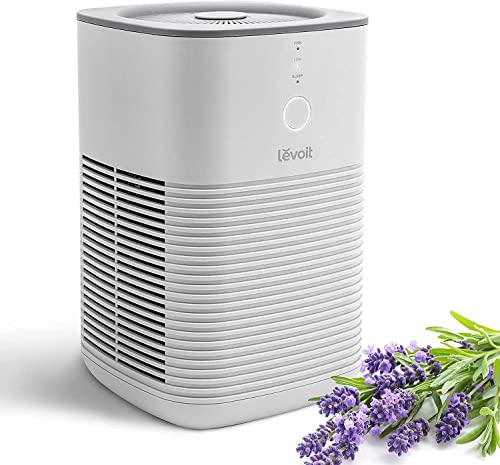
A capable multi-stage air purifier with solid filtration, held back mainly by the lack of smart-home features.
Yes, the airborne portion. A HEPA air purifier captures fine dust, pollen and dander from the air, which reduces how much you breathe in and how fast surfaces get dusty. It won't remove dust that's already settled.
No - it cuts airborne dust but heavier particles still settle on surfaces, so you'll dust and vacuum less often but not never.
One with a true HEPA filter rated for your room size. HEPA captures fine dust down to 0.3 microns; don't rely on ioniser-only models, which are far less effective for dust.
Our top pick is the Winix Zero Filter A for Air Purifier (our score 9.6/10) - A capable multi-stage air purifier with solid filtration, held back mainly by the lack of smart-home features..