
Winix Zero Filter A for Air Purifier
A capable multi-stage air purifier with solid filtration, held back mainly by the lack of smart-home features.
HEPA and activated carbon are the two main filter types in air purifiers, and they do completely different jobs. This guide explains what each removes, why most purifiers use both, and what to look for.
HEPA captures particles; carbon captures gases and smells. A true HEPA filter traps pollen, dust, dander and other fine particulates, while activated carbon adsorbs odour molecules, smoke and VOCs. They are not rivals - the best purifiers use both stages together so you get clean, fresh-smelling air. Which you prioritise depends on whether your concern is particles or odours.
A true HEPA filter is a dense mesh that captures 99.97% of particles down to 0.3 microns: pollen, dust, mould spores and pet dander. This is the stage that matters most for allergies and visible air quality. It is purely mechanical and reliable, but it does nothing for gases or smells, which pass straight through its fibres.
Activated carbon works by adsorption, trapping gas molecules in its porous surface. That makes it the stage that tackles odours, cooking smells, smoke and VOCs that HEPA cannot touch. The more carbon a purifier carries, the more odour it can handle and the longer it lasts. A thin token carbon layer does little, so quantity matters here.
Homes have both particles and smells, so most quality purifiers combine a HEPA stage and a carbon stage, often with a pre-filter in front. Air passes through each layer in turn, leaving it both cleaner and fresher. Buying a unit with both means you are covered whether the issue is pollen, dust, pet dander or odours.
If your main concern is allergies, dust or pollen, focus on a strong true-HEPA filter. If it is smells, smoke or cooking odours, make sure there is a substantial carbon stage as well. For most households, a combined HEPA-plus-carbon purifier is the sensible default, since it handles both jobs without compromise.
A capable multi-stage air purifier with solid filtration, held back mainly by the lack of smart-home features.

A capable 4-stage air purifier with a CADR of 390 m³/h, capturing 99.999% down to 0.1 microns, held back mainly by the lack of smart-home features.
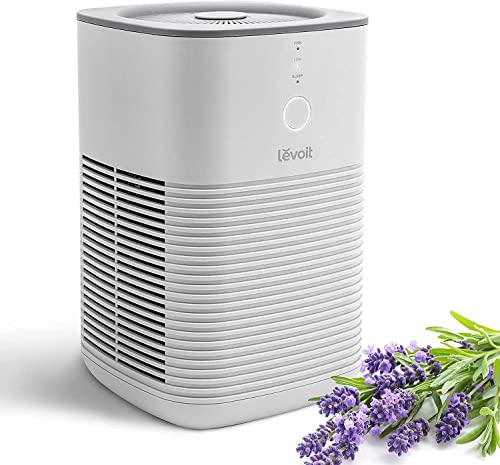
A capable multi-stage air purifier with solid filtration, held back mainly by the lack of smart-home features.

A capable multi-stage air purifier with a CADR of 187 m³/h, held back mainly by a few practical limitations.
HEPA captures particles like pollen, dust and dander, while activated carbon adsorbs gases, smells and smoke. They do different jobs, which is why most good purifiers use both stages together.
For most homes, yes - HEPA handles particles and allergens, carbon handles odours and smoke. If you only care about pollen and dust, HEPA alone is enough; if smells matter, you need carbon too.
Not really - carbon is for gases and odours. Dust and other particles are captured by the HEPA filter. That is why purifiers combine the two, so each handles what it does best.
Our top pick is the Winix Zero Filter A for Air Purifier (our score 9.6/10) - A capable multi-stage air purifier with solid filtration, held back mainly by the lack of smart-home features..